
Intellectual Property Lawyer Marketing
2026 Ultimate Guide
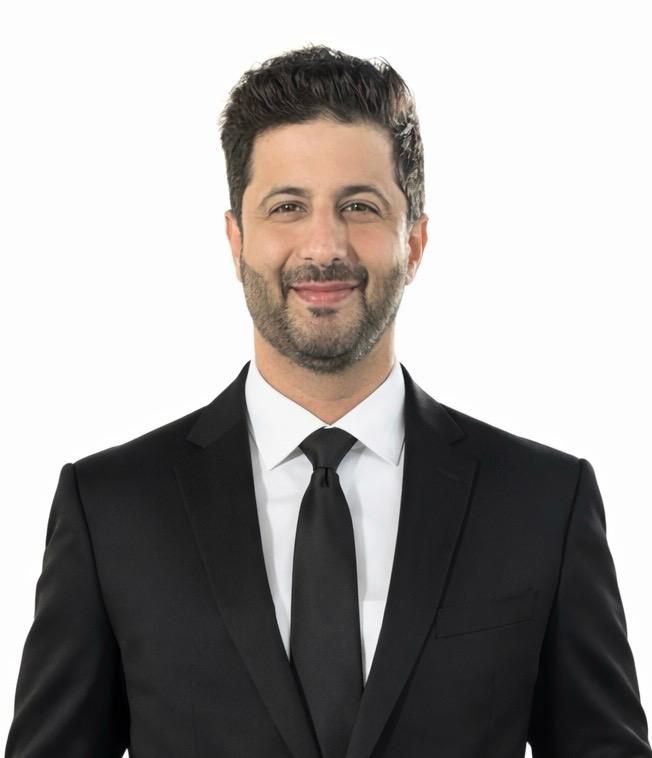
Written by: Rahul Mulchandani
Founder, Digital Marketing Strategist and
Author of "Digital Marketing For Lawyers" Book
Written by: Rahul Mulchandani
Founder, Digital Marketing Strategist and Author of "Digital Marketing For Lawyers" Book
Table of Contents
Intellectual property lawyer marketing helps patent, trademark, copyright, and trade secret attorneys attract inventors, startups, tech companies, and corporations seeking expert protection for their ideas and innovations.
Intellectual property lawyer marketing stands apart from general legal marketing because IP clients are often sophisticated B2B buyers who research deeply, value technical expertise, and make high-stakes decisions worth tens or hundreds of thousands of dollars.
Analyze this Intellectual property lawyer marketing content with AI tools:
ChatGPT Perplexity Grok Google AI ClaudeIntellectual property lawyer marketing combines digital channels, thought leadership, and strict ethical compliance to position your firm as the trusted expert when clients need USPTO filings, WIPO protections, or infringement defense.
Intellectual property lawyer marketing delivers superior ROI compared to other practice areas because qualified IP leads convert at higher rates and generate recurring revenue from portfolio management and licensing work.
Intellectual property lawyer marketing must satisfy Google’s 2026 Helpful Content system while demonstrating E-E-A-T through original analysis of patent eligibility, trademark opposition, and emerging AI inventorship issues.
Intellectual property lawyer marketing starts with understanding the buyer journey—from “how to file a provisional patent” to “best strategy for international trademark protection under the Madrid Protocol.”
Intellectual property lawyer marketing builds authority on platforms like LinkedIn, where corporate decision-makers and inventors actively seek specialized counsel.
Intellectual property lawyer marketing respects state bar rules and ABA Model Rules of Professional Conduct to avoid any misleading claims or guarantees of results.
Intellectual property lawyer marketing evolves quickly in 2026 with AI personalization, video content indexing, and Generative Engine Optimization that influences AI tools like Google AI Overviews and Perplexity.
Intellectual property lawyer marketing ultimately turns your deep legal knowledge into a steady stream of high-value clients who return for ongoing IP strategy and enforcement needs.
This complete guide covers every element you need to create or refine intellectual property lawyer marketing for your firm. Whether you are a solo practitioner focused on software patents, a boutique trademark firm, or a full-service IP group, these proven tactics will help you outperform competitors and generate sustainable growth.
What Is Intellectual Property Lawyer Marketing?
Intellectual property lawyer marketing is the strategic process of promoting your firm’s expertise in patents, trademarks, copyrights, trade secrets, and licensing to attract and convert ideal clients through compliant, value-driven channels.
Intellectual property lawyer marketing focuses on educational, technical content that educates inventors and businesses while building trust before they ever schedule a consultation.
Intellectual property lawyer marketing integrates multiple channels—content, LinkedIn, paid search, email, and events—while always prioritizing E-E-A-T signals such as bar admissions, published articles, and real case outcomes (shared ethically).
Why Intellectual Property Lawyer Marketing Matters in 2026
Intellectual property lawyer marketing has become non-negotiable because over 70% of high-value IP clients start their search online and use AI tools to evaluate attorneys before making contact.
Intellectual property lawyer marketing generates higher lifetime value than consumer-facing practices—average IP client retainers range from $15,000 to $250,000+ with potential for ongoing portfolio work.
Intellectual property lawyer marketing levels the playing field for boutique and solo firms against larger national players by targeting niche long-tail queries and building authority in specific industries like biotech, software, or fashion.
How Intellectual Property Lawyer Marketing Works
Intellectual property lawyer marketing operates across awareness, consideration, and decision stages by delivering helpful information that matches exactly what potential clients search and ask.
Intellectual property lawyer marketing succeeds when your firm appears in organic results, AI answers, LinkedIn feeds, and targeted ads while demonstrating genuine expertise through clear explanations of USPTO processes and WIPO filings.
Intellectual property lawyer marketing relies on multi-touch attribution so you can track how a blog post on patent timelines leads to a LinkedIn connection and eventually a signed engagement letter.
Get More Clients for Your Law Firm
Stop losing potential cases to competitors. Let’s build a strategy that brings you consistent, high-quality leads.
Developing Your Intellectual Property Lawyer Marketing Strategy
Intellectual property lawyer marketing strategy begins with defining your niche—software patents, trademark opposition, or international licensing—and identifying ideal clients such as startups, R&D departments, or e-commerce brands.
Intellectual property lawyer marketing requires a clear core message that addresses pain points like “protecting your invention from competitors” or “defending against trademark infringement claims.”
Intellectual property lawyer marketing includes competitive analysis of other IP firms’ websites, content depth, and LinkedIn activity to find differentiation opportunities.
Content Marketing in Intellectual Property Lawyer Marketing
Intellectual property lawyer marketing thrives on educational pillar content such as “The Complete 2026 Guide to Filing a Utility Patent” supported by 20–30 cluster articles on specific topics like software eligibility under Section 101.
Intellectual property lawyer marketing uses formats that clients love: timeline infographics for patent prosecution, comparison tables of provisional versus non-provisional applications, and downloadable checklists for trademark clearance searches.
Intellectual property lawyer marketing content must always link back to official sources like USPTO manuals and recent Federal Circuit decisions while including original attorney analysis to demonstrate expertise.
LinkedIn and Social Media for Intellectual Property Lawyer Marketing
Intellectual property lawyer marketing centers on LinkedIn because corporate counsel, inventors, and startup founders actively network and research IP attorneys there.
Intellectual property lawyer marketing on LinkedIn involves publishing thought-leadership posts, sharing case studies (ethically anonymized), and engaging in group discussions about AI patentability or brand protection trends.
Intellectual property lawyer marketing avoids generic posts and instead offers value through quick tips on responding to office actions or strategies for Madrid Protocol filings.
Pay-Per-Click and Google Ads in Intellectual Property Lawyer Marketing
Intellectual property lawyer marketing through Google Ads delivers immediate qualified leads with surprisingly low competition—typical CPC for “patent attorney” or “trademark lawyer” ranges from $15 to $55, far below personal injury rates.
Intellectual property lawyer marketing PPC works best with targeted ad groups for high-intent searches like “file provisional patent” or “oppose trademark application” and landing pages that match the query exactly.
Intellectual property lawyer marketing PPC often achieves 400–2000% ROI because IP clients have high lifetime value and the sales cycle, while longer, ends with substantial retainers.
Website and Technical Foundations for Intellectual Property Lawyer Marketing
Intellectual property lawyer marketing starts with a professional website that serves as your 24/7 hub—fast-loading, mobile-friendly, and optimized with clear calls-to-action for free consultations.
Intellectual property lawyer marketing websites include structured data for Attorney and LegalService schema plus practice-area pages with detailed explanations of services and processes.
Intellectual property lawyer marketing requires Google Business Profile optimization with accurate NAP information, photos of office or USPTO-related events, and regular posts about new IP developments.
Email Marketing and Nurturing in Intellectual Property Lawyer Marketing
Intellectual property lawyer marketing uses email newsletters to nurture leads with monthly updates on USPTO rule changes, case law summaries, and practical tips that keep your firm top-of-mind.
Intellectual property lawyer marketing email sequences welcome new subscribers with a series of educational resources before gently introducing service offerings.
Intellectual property lawyer marketing complies with CAN-SPAM and privacy rules while delivering high open rates through personalized subject lines tied to the recipient’s industry.
Networking, Events, and Thought Leadership in Intellectual Property Lawyer Marketing
Intellectual property lawyer marketing includes speaking at industry events such as tech conferences, bar association IP sections, or university innovation programs.
Intellectual property lawyer marketing builds authority through published articles in IPWatchdog, Law360, or local business journals on topics like trade secret protection in the AI era.
Intellectual property lawyer marketing leverages webinars and virtual roundtables to position partners as experts on emerging issues like patenting AI inventions.
Step-by-Step Implementation Plan for Intellectual Property Lawyer Marketing
Intellectual property lawyer marketing implementation follows this 12-month roadmap:
- Define niche, ideal client, and core message (Month 1).
- Audit and redesign website with proper schema and content foundation (Months 1–2).
- Launch content calendar with weekly blog posts and LinkedIn activity (Months 2–12).
- Set up Google Ads with tested landing pages (Month 2).
- Build email list and automation sequences (Month 3).
- Optimize Google Business Profile and begin review collection (ongoing).
- Schedule speaking engagements and publish thought-leadership pieces (Months 4–6).
- Measure results monthly and adjust based on lead quality and ROI (Months 6–12).
Costs, Budgets, and ROI of Intellectual Property Lawyer Marketing
Intellectual property lawyer marketing budgets typically range from 2% to 10% of gross revenue, with most successful IP firms investing 5–7% for consistent growth.
Intellectual property lawyer marketing costs break down as: 40–50% content creation and SEO, 20–30% paid ads, 15% social/LinkedIn tools, and 10–15% events and networking.
Intellectual property lawyer marketing delivers exceptional ROI—often 400% or higher—because each converted client brings substantial upfront and recurring revenue compared to lower-value practice areas.
Common Mistakes and Ethics Compliance in Intellectual Property Lawyer Marketing
Intellectual property lawyer marketing fails when firms promise “guaranteed patents” or use superlatives like “best IP attorney” without factual basis, violating ABA Model Rule 7.1.
Intellectual property lawyer marketing mistakes include thin generic content that fails to demonstrate real expertise or neglecting mobile experience for busy corporate clients.
Intellectual property lawyer marketing must always include disclaimers on websites and ads stating that results are not guaranteed and that prior outcomes do not predict future success.
Real-World Case Studies in Intellectual Property Lawyer Marketing
A Boston patent boutique implemented intellectual property lawyer marketing with LinkedIn thought leadership and targeted Google Ads focused on AI and software inventions. Within 18 months organic leads increased 320% and the firm added 28 new corporate clients.
A Chicago trademark firm used intellectual property lawyer marketing through educational webinars and email nurturing sequences. They achieved a 450% ROI on their $4,500 monthly budget and doubled their international Madrid Protocol work within one year.
Emerging Trends and Best Practices for Intellectual Property Lawyer Marketing
Intellectual property lawyer marketing in 2026 emphasizes Generative Engine Optimization so your content appears in AI answers about patent eligibility or trademark “dupe” litigation.
Intellectual property lawyer marketing best practices include video content with transcripts for better indexing, personalization based on first-party data, and active but ethical participation on Reddit and Quora in tech communities.
Measuring Success and Scaling Intellectual Property Lawyer Marketing
Intellectual property lawyer marketing success is tracked through qualified lead volume, consultation-to-client conversion rate, cost per acquisition, and overall marketing ROI calculated as (revenue from new clients – marketing spend) / marketing spend.
Intellectual property lawyer marketing scales by reinvesting profits into advanced tools like AI chatbots for initial qualification and expanding into new niches such as blockchain IP or biotech licensing.
Intellectual property lawyer marketing requires monthly reviews of analytics, intake data, and client feedback to refine messaging and channels continuously.
Frequently Asked Questions
What is intellectual property lawyer marketing?
Intellectual property lawyer marketing is the ethical promotion of your firm’s patent, trademark, copyright, and trade secret services through content, LinkedIn, paid search, email, and events to attract high-value clients who need specialized IP protection.
How much should I budget for intellectual property lawyer marketing in 2026?
Intellectual property lawyer marketing budgets generally fall between 2% and 10% of gross revenue, with 5–7% being the sweet spot for most IP firms seeking steady growth without overextending resources.
Is LinkedIn the best platform for intellectual property lawyer marketing?
LinkedIn is the top platform for intellectual property lawyer marketing because it connects directly with corporate counsel, startup founders, and inventors who actively research IP attorneys and engage with technical content.
How long does it take to see results from intellectual property lawyer marketing?
Intellectual property lawyer marketing typically generates initial leads in 3–6 months and significant revenue growth between 9–18 months when combining consistent content, paid ads, and networking efforts.
Can solo IP practitioners succeed with intellectual property lawyer marketing?
Solo practitioners achieve excellent results with intellectual property lawyer marketing by focusing on a narrow niche, creating authoritative content, and using cost-effective LinkedIn and Google Ads strategies that larger firms often overlook.
What role do ethics rules play in intellectual property lawyer marketing?
Ethics rules under ABA Model Rule 7.1 and state bars strictly govern intellectual property lawyer marketing—you must avoid any false or misleading claims, never guarantee results, and always include appropriate disclaimers.
Does Google Ads work well for intellectual property lawyer marketing?
Google Ads delivers strong results for intellectual property lawyer marketing with lower CPCs ($15–$55) than many other practice areas and exceptional ROI because IP clients represent high-value, long-term relationships.
How important is content marketing in intellectual property lawyer marketing?
Content marketing forms the foundation of intellectual property lawyer marketing by educating clients on complex topics like USPTO processes and building the E-E-A-T signals search engines and AI tools reward.
Should I use video in intellectual property lawyer marketing?
Video content is increasingly essential in intellectual property lawyer marketing for 2026 because indexed videos with transcripts rank well in search and AI platforms while clearly explaining timelines and processes.
How do I measure ROI from intellectual property lawyer marketing?
Intellectual property lawyer marketing ROI is calculated by tracking revenue from new clients against total spend, using intake questions like “How did you find us?” and tools that attribute leads across channels.
Can intellectual property lawyer marketing help attract international clients?
Intellectual property lawyer marketing attracts international clients when optimized for queries about PCT patent applications, Madrid Protocol trademarks, and WIPO enforcement with content that addresses global protection strategies.
What emerging trends should I watch in intellectual property lawyer marketing?
Key 2026 trends in intellectual property lawyer marketing include Generative Engine Optimization for AI visibility, hyper-personalized experiences, video dominance, and ethical use of first-party data while maintaining strict compliance.
Our Seo Services
- Patent Lawyer SEO
- Trademark Lawyer PPC
- IP Lawyer Website Design
- IP Lawyer Lead Generation
🚀 Get Free Consultation

Our Latest Posts
-
 How We Generate Signed Cases for Lawyers: 7 Proven Strategies That Deliver Real Results
 -
 Case Study: Multi-City Personal Injury SEO Success – New Mexico
 -
 Case Study: Personal Injury Lawyer in Texas
 -
 Lawyer SEO: The Complete Guide to Optimizing Law Firm Websites for Clients and Rankings
 -
 Why Lawyer Switch to Us
Updated on
Get In Touch with Us!
other way to contact us
Office Email
rahul@webkeydigital.com
Office Phone
+1 503-303-8639
Office Location
8 The Green STE A, Dover, Kent , Delaware 19901
